


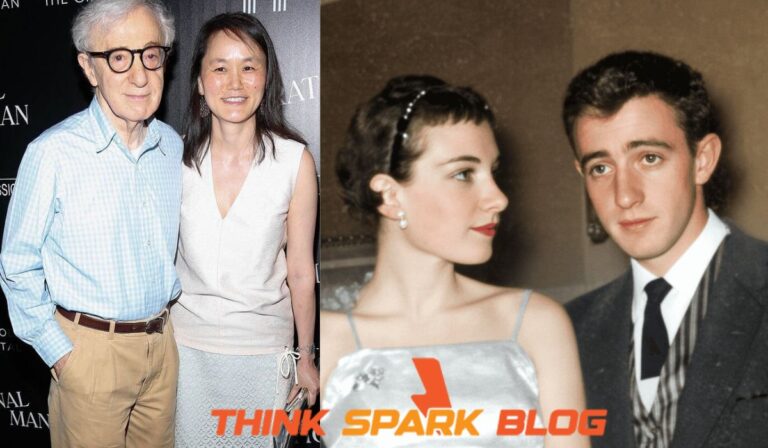
When people discuss the early life of Woody Allen, they often focus on his groundbreaking films, controversial public image, and decades-long career in cinema. Rarely mentioned, however, is Harlene Rosen, the woman who was married to him long before international fame, awards, and public scrutiny defined his name. The story of Harlene Rosen is not simply a footnote in Hollywood history; it is a revealing chapter that offers insight into the formative years of a man who would become one of America’s most debated filmmakers.
This article explores Harlene Rosen’s untold facts, her early life, her marriage to Woody Allen, the emotional and social impact of their divorce, and her life after leaving the spotlight. Drawing from historical context and lesser-discussed perspectives, we aim to provide a comprehensive, SEO-friendly, and informative look at a woman who chose privacy over publicity.
Quick Bio: Harlene Rosen
| Field | Details |
|---|---|
| Full Name | Harlene Rosen |
| Known For | First wife of Woody Allen |
| Birth Year | 1940 (approximate) |
| Birthplace | United States |
| Marriage Year | 1956 |
| Age at Marriage | Around 16–17 years old |
| Spouse | Woody Allen (m. 1956–1962) |
| Divorce Year | 1962 |
| Public Recognition | Mentioned in Woody Allen’s early comedy routines |
| Legal Action | Filed a defamation lawsuit against Woody Allen |
| Life After Divorce | Largely private and away from media |
| Current Status | Believed to be living privately |
1. Early Life of Harlene Rosen Before Meeting Woody Allen
Little documented information exists about Harlene Rosen’s early life, which adds to the mystery surrounding her. Born around 1940 in the United States, she grew up in a period when traditional family structures and conservative social expectations shaped young women’s lives. The 1950s were a time when early marriages were not unusual, particularly in certain communities.
Unlike her future husband, who would eventually make a name for himself in entertainment, Rosen did not pursue public recognition. Available historical references suggest she was raised in a modest household and had aspirations typical of young women at the time — stability, family, and personal fulfillment. Her life changed dramatically when she met a young comedian still finding his voice in New York’s entertainment scene.
2. How Harlene Rosen Met Woody Allen
Before becoming a celebrated filmmaker, Woody Allen was a teenage comedy writer and performer building his career in New York. Born Allan Stewart Konigsberg, he was ambitious, witty, and already experimenting with stand-up comedy and television writing.
Harlene Rosen met Allen during this early phase of his life. Their relationship developed quickly, reflecting youthful intensity rather than mature deliberation. At the time, Allen was approximately 20 years old, while Rosen was still in her mid-teens. Their romance moved at a rapid pace, surprising many who knew them.
This period represents a crucial stage in Woody Allen’s life — long before Annie Hall or his Academy Award wins — when personal relationships were intertwined with creative ambition.
3. A Teenage Marriage in the 1950s
In 1956, Harlene Rosen married Woody Allen. She was reportedly around 16 or 17 years old at the time. Teenage marriages were more common during the 1950s than today, but their union still raised eyebrows due to their young age.
The marriage took place before Allen achieved major fame. Financial stability was limited, and Allen was still building his reputation as a writer and comedian. For Rosen, entering marriage at such a young age meant sacrificing much of her adolescence to support a husband chasing professional dreams.
While public records confirm the marriage lasted six years, the emotional details remain largely undocumented — perhaps intentionally preserved through Rosen’s lifelong preference for privacy.
4. The Struggles Behind Closed Doors
Historical accounts suggest that the marriage between Harlene Rosen and Woody Allen faced strain almost from the beginning. Allen’s dedication to comedy and his growing involvement in the entertainment industry reportedly created distance between the couple.
Creative personalities often bring unpredictability into domestic life. As Allen developed his comedic persona, his humor sometimes extended into personal territory. According to later reports, he referenced Rosen in stand-up routines in ways she found humiliating. This tension would later contribute significantly to the breakdown of their marriage.
Behind the public silence was a young woman navigating emotional challenges while her husband’s career trajectory began rising.
5. Public Jokes and Private Pain
One of the most discussed aspects of Harlene Rosen’s story involves Woody Allen’s early comedy routines. During performances, he allegedly referred to her using unflattering jokes and even nicknames.
For a private individual unaccustomed to public exposure, such references were reportedly distressing. The comedic culture of the time often blurred the line between personal storytelling and satire. However, for Rosen, the impact was deeply personal.
This period marks a turning point, revealing how humor — especially when performed on public stages — can have consequences beyond laughter.
6. The Divorce of Harlene Rosen and Woody Allen
By 1962, the marriage ended in divorce. The separation occurred just as Woody Allen’s professional opportunities were expanding. While the official reasons were not publicly dissected in detail, incompatibility and personal strain appear to have played central roles.
The divorce closed a formative chapter in Allen’s life but opened a new one for Rosen. She stepped away entirely from public attention. Unlike many former spouses of celebrities, she did not seek interviews, book deals, or media exposure.
7. The Defamation Lawsuit: A Rare Public Stand
One lesser-known but significant detail about Harlene Rosen is her reported legal action against Woody Allen. She allegedly filed a defamation lawsuit after being the subject of public jokes in his stand-up acts.
This legal move demonstrated strength and agency. In an era when women were less empowered legally and socially, Rosen’s willingness to challenge a rising entertainer signaled her refusal to tolerate public humiliation. The case reportedly resulted in a financial settlement.
This moment remains one of the clearest examples of Rosen asserting control over her narrative.
8. Life After Divorce: Choosing Privacy Over Fame
After the divorce, Harlene Rosen vanished from the public eye. Unlike many connected to Hollywood figures, she did not attempt to capitalize on the association.
Her absence from media interviews, memoirs, and documentaries suggests a deliberate decision to rebuild her life privately. While Woody Allen’s later marriages and high-profile relationships drew global attention, Rosen maintained distance.
This deliberate withdrawal adds to the intrigue surrounding her life. It also reflects resilience — a determination not to be permanently defined by a youthful marriage.
9. Harlene Rosen’s Role in Woody Allen’s Early Development
Though often overlooked, Harlene Rosen was present during Woody Allen’s formative professional years. Marriage during his early writing career likely influenced his understanding of relationships, commitment, and domestic life.
While it would be speculative to claim direct creative influence, early personal experiences frequently shape artistic voices. The complexities of Allen’s later films — particularly those exploring marriage and human frailty — may indirectly reflect lessons learned during his first marriage.
Rosen’s role in this developmental stage deserves acknowledgment, even if history has largely omitted her perspective.
10. Media Silence and Historical Gaps
One of the challenges in documenting Harlene Rosen’s biography is the scarcity of verified information. Unlike later public figures in Allen’s life, Rosen existed before the 24-hour news cycle and digital media.
This absence of documentation can be interpreted in two ways: either her life was intentionally shielded, or public interest simply moved elsewhere. In today’s era of constant exposure, her story represents a rare example of someone connected to fame yet untouched by long-term media intrusion.
11. Newly Reconsidered Perspectives on Their Marriage
Modern cultural analysis has prompted renewed interest in early Hollywood marriages, especially those involving young spouses. Looking back, Harlene Rosen’s teenage marriage to Woody Allen raises questions about age dynamics, gender expectations, and power imbalances during the 1950s.
While societal norms differed significantly from today’s standards, contemporary readers may interpret the marriage through a different lens. Such reflection does not rewrite history but adds context, highlighting how cultural standards evolve.
12. Why Harlene Rosen’s Story Still Matters Today
In a world fascinated by celebrity relationships, Harlene Rosen stands out precisely because she chose silence. Her story matters because it reminds us that behind every famous individual are lesser-known figures who contributed to their journey.
Understanding Rosen’s experience enriches the broader narrative of Woody Allen’s early life. It also underscores themes of dignity, privacy, and personal boundaries — issues increasingly relevant in today’s media-driven culture.
13. The Legacy of Harlene Rosen Beyond Woody Allen
Ultimately, Harlene Rosen’s legacy is defined not by scandal or fame but by resilience. She entered marriage as a teenager, endured public scrutiny, pursued legal action when necessary, and then disappeared into private life.
Her story invites reflection on how society treats spouses of rising celebrities. It also challenges readers to consider the unseen emotional labor often carried by partners during ambitious career pursuits.
Though history may remember her primarily as Woody Allen’s first wife, a deeper look reveals a woman who asserted independence and preserved her dignity.
Final Thoughts
The life of Harlene Rosen is a powerful reminder that not every significant story is loudly told. As Woody Allen’s first wife, she was part of a critical chapter in his early life — long before global fame and controversy shaped public perception.
Yet Rosen’s true significance lies not in celebrity association but in her quiet strength. From teenage marriage to legal assertiveness and eventual privacy, her journey reflects personal resilience.
In revisiting her story, we gain more than historical trivia. We gain perspective — on relationships, ambition, humor’s consequences, and the enduring value of personal dignity.
Frequently Asked Questions (FAQ)
1. Who is Harlene Rosen?
Harlene Rosen is best known as the first wife of Woody Allen. She married him in 1956 when she was still a teenager. Although her marriage placed her briefly in public discussion, she later chose a private life and avoided media exposure.
2. How long were Harlene Rosen and Woody Allen married?
They were married for approximately six years, from 1956 until their divorce in 1962. Their marriage occurred before Allen became internationally famous.
3. Why did Harlene Rosen sue Woody Allen?
Reports suggest she filed a defamation lawsuit after Allen made public jokes about her during his stand-up routines. She reportedly felt the jokes were humiliating and damaging, leading to a financial settlement.
4. What happened to Harlene Rosen after the divorce?
After divorcing Woody Allen, Harlene Rosen withdrew from public life. She did not seek interviews or publicity and has maintained privacy for decades.
5. Why is Harlene Rosen still discussed today?
Interest in Harlene Rosen continues because she represents an important early chapter in Woody Allen’s life. Her story also raises broader discussions about privacy, gender roles, and the impact of public humor on personal relationships.
